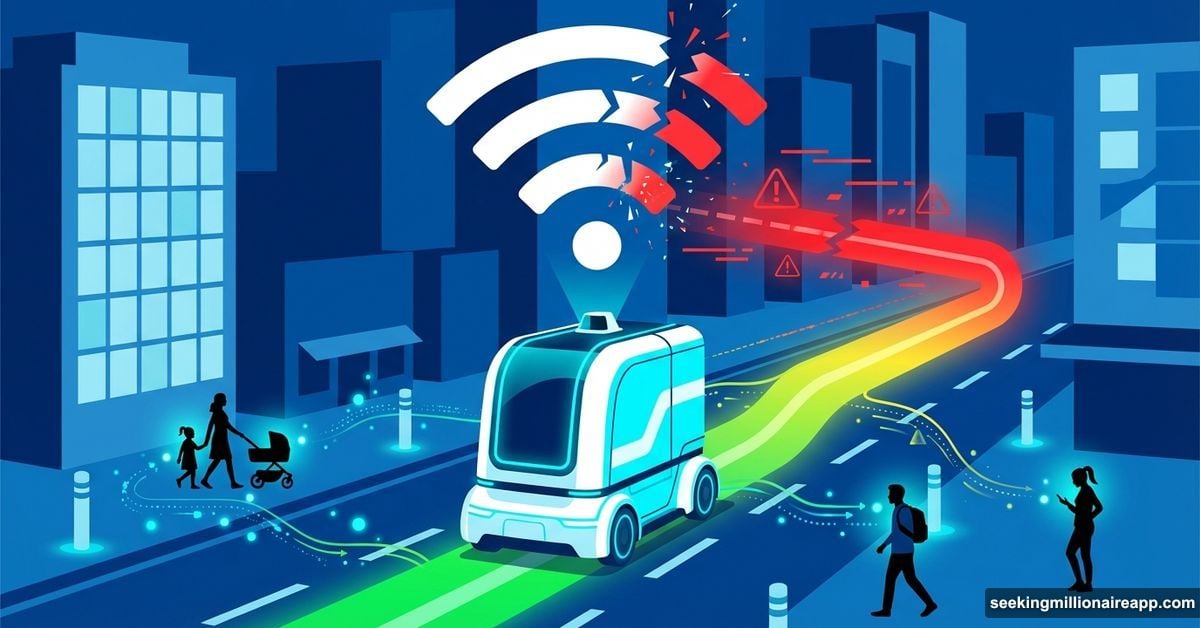
Autonomous systems can process millions of data points per second. But they have no idea if their internet connection will drop in the next 60 seconds.
That’s the gap Roam Network is trying to close. Not with better sensors or faster chips. Instead, they’re turning everyday human movement into live connectivity intelligence that machines can actually trust.
We talked with Topi Siniketo, Roam’s co-founder and CEO, about why this blind spot matters and how his network is solving it.
AI Leaves the Lab, Discovers Its Network Is Unreliable
Autonomous vehicles work great in test facilities. Then they hit real streets and lose connection mid-turn.
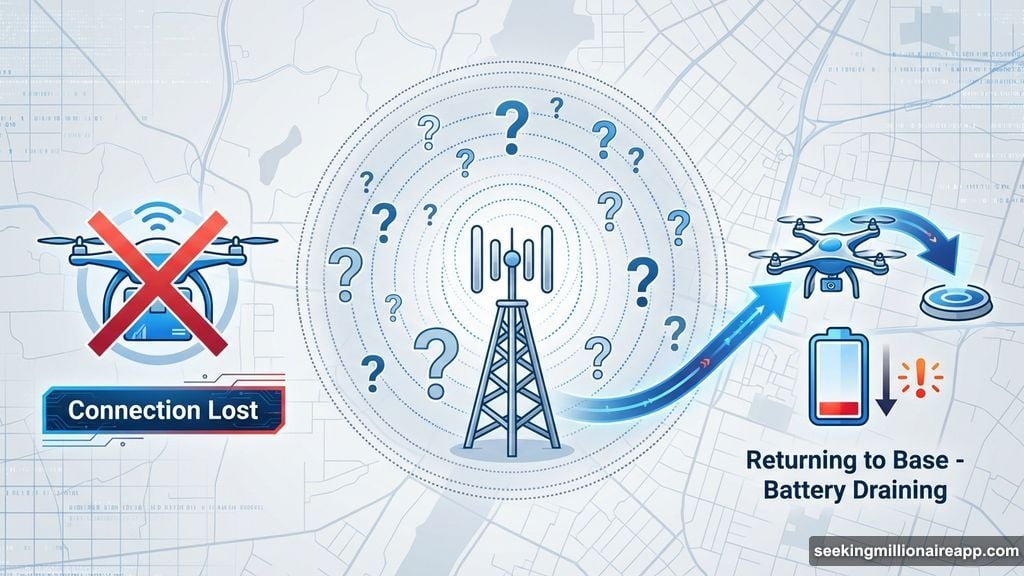
Delivery drones map routes flawlessly. Until connectivity drops and they’re forced to return home, wasting time and battery.
“Machines have become very good at sensing the physical world,” Siniketo explains. “But they have almost no awareness of the digital conditions they depend on to function.”
That’s not a minor inconvenience. As systems start coordinating in fleets or sharing computational tasks, unpredictable network drops become operational failures. Moreover, the current approach—adding backup connections from multiple providers—gets expensive fast and still doesn’t prevent problems.
What these systems actually need is prediction, not reaction. They need to know where connectivity will fail before they get there.
Why Static Maps Don’t Work for Machines That Move
Traditional connectivity data comes from periodic drive tests and operator reports. Those show averages across broad areas. But averages don’t help when your autonomous delivery bot needs to decide which route to take right now.
“Autonomy doesn’t fail on averages,” Siniketo says. “It fails in specific places, at specific moments.”
Roam takes a different approach. Instead of measuring connectivity once and calling it done, they built a network that measures constantly through everyday movement. People already walk, drive, and travel through cities naturally. So Roam turns those movements into continuous ground truth about network performance.
Here’s the key difference: Static data tells you connectivity was good last Tuesday. Roam’s live layer tells you what’s likely to happen in the next few minutes along your planned route.
Everyday Movement Creates Better Data Than Drive Tests
Centralized measurement has a fundamental problem. It’s slow and expensive to update.
Drive tests capture snapshots. But cities change. Construction blocks signals. Events flood networks. Weather disrupts coverage. By the time traditional data refreshes, conditions have already shifted.
“People naturally create dense, ongoing coverage in the places that matter most,” Siniketo points out. “That turns the dataset into something living, not something that needs to be refreshed manually.”
That distributed approach also solves scalability. Instead of hiring teams to drive around measuring networks, the system grows as more people contribute through normal daily routines.
Plus, there’s a trust advantage. When data comes from thousands of independent contributors rather than a single source, verification becomes possible. Roam builds tamper-resistance and validation directly into the system.
You Create Value With Your Movement. Roam Thinks You Should Own It
Here’s something most people don’t realize: Your phone constantly generates signals about network performance as you move around. That data is valuable to carriers and machine operators.
But you never see any benefit from it.
Roam’s model flips that. Contributors own the value their movement creates. “If a network depends on distributed contributions, ownership shouldn’t sit with a single intermediary,” Siniketo says. “It should flow back to the people who make the network useful.”
This isn’t about tracking individuals. Privacy sits at the core of the design. Roam measures network conditions, not people. But the value created by measuring those conditions? That belongs to contributors.
Telcos Finally See Their Networks Through User Eyes
Roam already works with telecom operators. What they’re discovering changes how they manage infrastructure.
Instead of waiting for customer complaints or reviewing delayed reports, operators now see performance drops as they happen. They know which neighborhoods need attention and how conditions shift throughout the day.
“Connectivity stops being something operators review after problems occur,” Siniketo explains. “It becomes something they can observe and manage in real time.”
That visibility doesn’t require expensive testing equipment. The data comes from real-world usage. So continuous monitoring becomes practical at scale.
Robots and Drones Need Predictability, Not Just Speed
Robotics teams face a specific problem today. When connectivity drops, most systems default to stopping or returning home. That keeps operations safe but kills efficiency.
Some teams add redundancy by using multiple network providers. But that increases cost and complexity without solving the core issue: unpredictability.
“What these teams really want is predictability,” Siniketo says. “If a system knows where connectivity will degrade, it can plan around it.”
That becomes critical as machines start coordinating. Delivery drones sharing airspace need reliable communication. Warehouse robots coordinating tasks can’t afford dropped connections. Autonomous vehicles offloading computation to edge servers need to know their link will hold.
Beyond Phones: Vehicles, Drones, and New Intelligence Layers
Roam started with smartphone data. Now they’re expanding into vehicles, drones, and dedicated measurement devices.
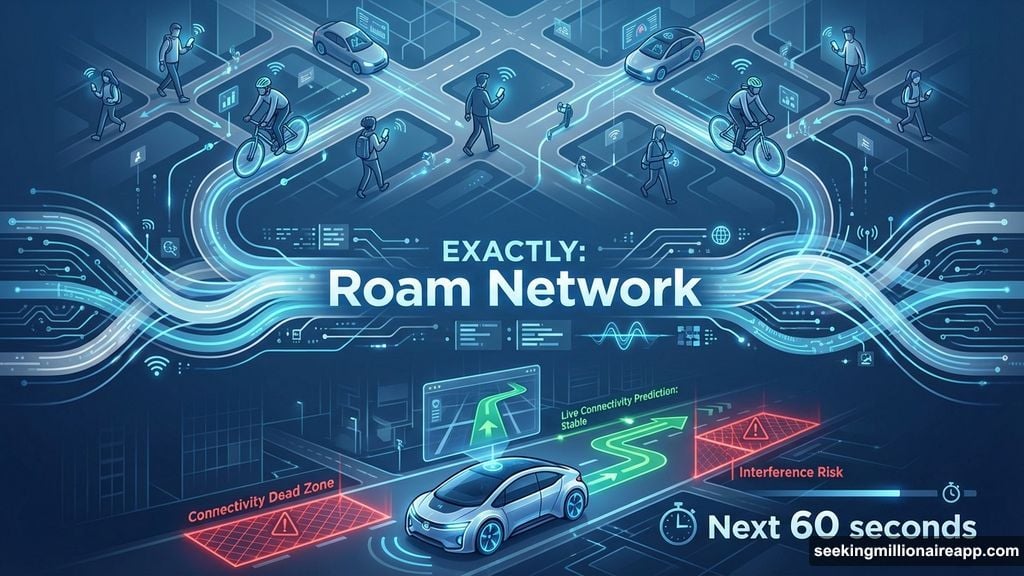
Each new device type adds context. Phones provide broad coverage at walking speeds. Vehicles show performance on highways and fixed routes. Drones reveal how altitude affects connectivity.
“The value isn’t more data for its own sake,” Siniketo explains. “It’s context.”
How networks behave at 60mph versus 5mph matters for autonomous vehicles. How signal strength changes with altitude matters for delivery drones. That kind of multi-dimensional view is exactly what autonomous systems need to operate reliably.
Why This Network Gets Stronger As It Grows
Centralized mapping systems scale by spending more money. More drive tests, more equipment, more manual updates. Plus, they’re often tied to single operators, which limits neutrality.
Roam works differently. Each new contributor strengthens three things simultaneously: coverage, freshness, and trust.
Coverage improves because people naturally densify measurements where activity happens. Freshness improves because continuous movement means continuous updates. Trust improves because more contributors mean better validation and fewer blind spots.
“That kind of compounding intelligence is very difficult to replicate from the top down,” Siniketo notes.
Think about it this way: Traditional mapping requires constant investment to maintain accuracy. Roam’s network maintains itself through natural participation.
What Happens When Machines Can Trust Their Networks
Look 10 years ahead. Autonomous systems are everywhere—delivering packages, transporting people, managing infrastructure. But they all share one dependency: reliable connectivity.
If Roam succeeds, those machines will act with genuine confidence. Not because networks never fail, but because systems understand where and when failures are likely.
“Instead of assuming connectivity and reacting when it fails, systems will plan with a clearer understanding of where communication is reliable,” Siniketo says.
That means fewer interrupted deliveries. More efficient routing. Better coordination between machines. Ultimately, more autonomy at scale.
Meanwhile, everyday human movement continues powering that intelligence. But in a transparent way where contributors actually benefit from the value they create.
The Missing Infrastructure Layer
Autonomous systems need three things: sensors to understand their surroundings, processors to make decisions, and networks to communicate. We’ve invested billions in the first two. The third remains a blind spot.
Roam is building that missing layer. Not with top-down measurement, but through distributed, user-owned intelligence. As machines move further into the real world, they’ll need more than just connectivity. They’ll need awareness.
That awareness is being built right now, one footstep at a time.