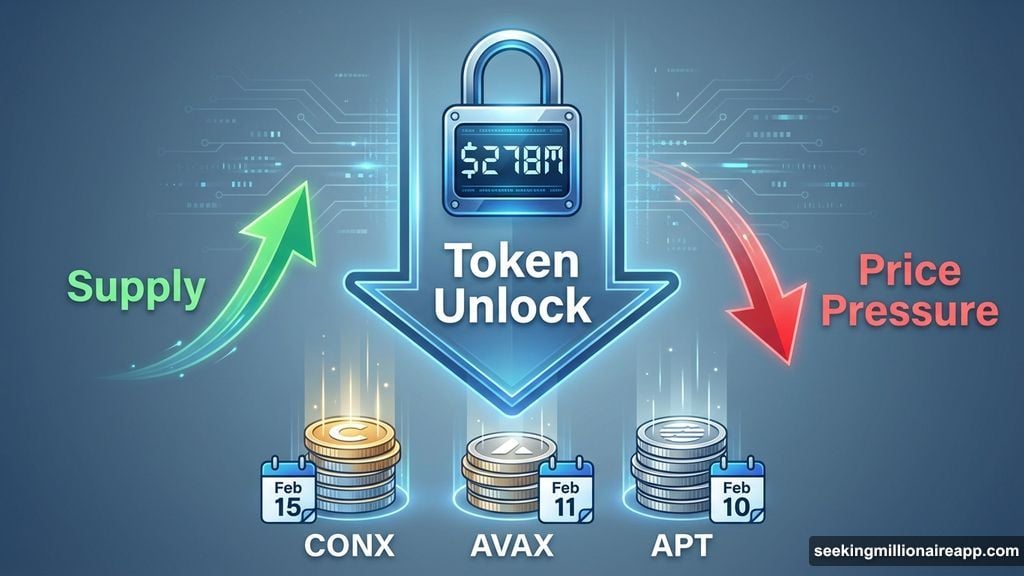
Over $278 million in cryptocurrency tokens hit the market this week. Three projects lead the pack with significant releases that could trigger price swings.
Token unlocks flood markets with new supply. More tokens available often means downward pressure on prices. So investors tracking these releases can better anticipate volatility and protect their positions.
Let’s break down the three biggest unlocks happening right now.
Connex Drops $16M in New Tokens February 15
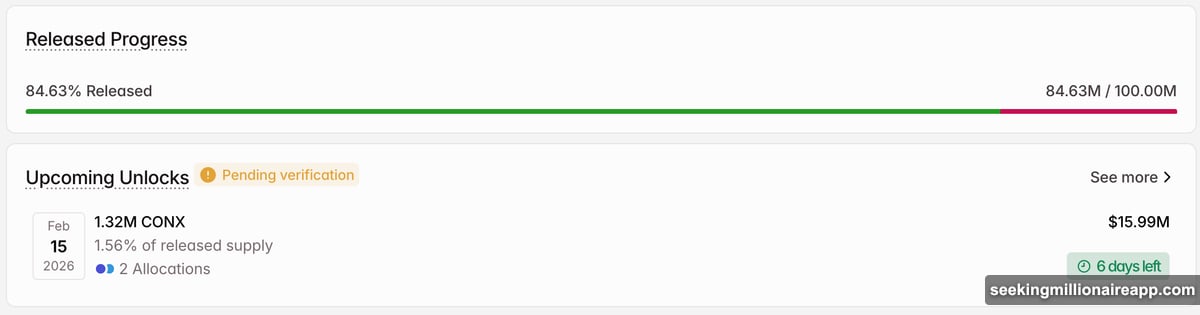
Connex releases 1.32 million CONX tokens worth roughly $15.99 million on February 15. That’s 1.56% of the current circulating supply hitting markets at once.
Here’s where those tokens go. The ecosystem gets 822,500 CONX for development and partnerships. Plus, the community treasury receives 500,000 tokens for future governance decisions.
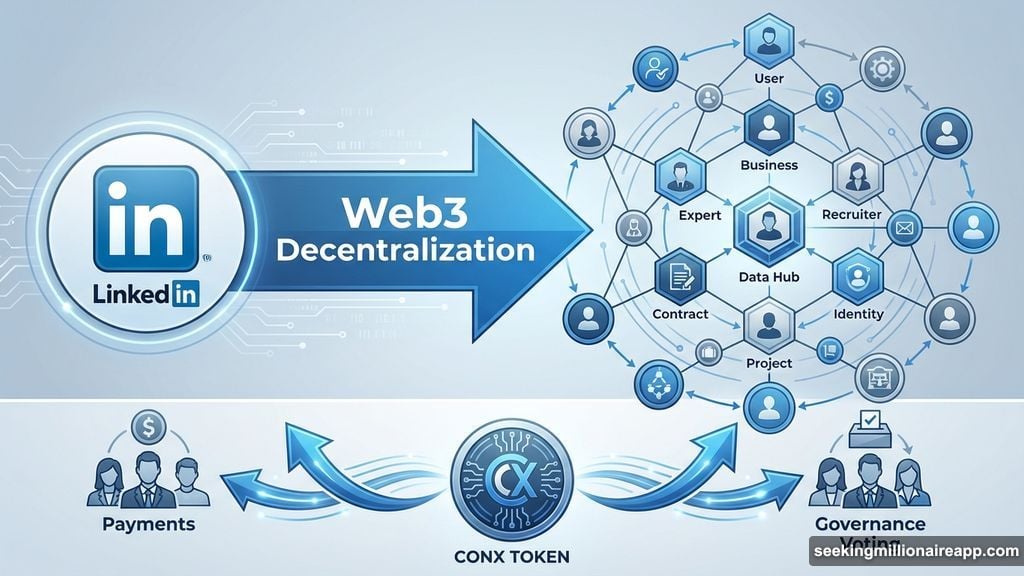
Connex built a Web3 professional network that runs on blockchain. Think LinkedIn but decentralized. The CONX token powers payments between professionals and lets holders vote on platform changes.
The unlock itself isn’t massive compared to the total 100 million token supply. But it’s concentrated in two buckets that could affect near-term price action. Ecosystem allocations sometimes hit exchanges quickly when projects need liquidity for partnerships.
Avalanche Foundation Gets Full $15M Allocation February 11
Avalanche unlocks 1.67 million AVAX tokens valued at $15.13 million on February 11. The entire batch goes straight to the Avalanche Foundation.
That matters because foundation-controlled tokens don’t always enter circulation immediately. Foundations typically use allocations for grants, development funding, and strategic initiatives. So the price impact might be less severe than community or investor unlocks.
Still, AVAX holders should watch for foundation announcements. Large grants to ecosystem projects can mean tokens hit DEXs faster than expected. Moreover, 1.67 million AVAX represents 0.32% of the 526.13 million circulating supply.
Avalanche uses a unique three-chain architecture that handles high transaction volumes while maintaining security. The platform competes directly with Ethereum for smart contract and DeFi activity. Token unlocks during uncertain market conditions could test support levels.
Aptos Spreads $12M Across Four Groups February 10
Aptos releases 11.31 million APT tokens worth $12.07 million on February 10. This unlock is the most distributed of the three, spreading tokens across four recipient categories.
Core contributors get the biggest chunk with 3.96 million APT. These are team members and developers who built the protocol. Community allocations total 3.21 million tokens for ecosystem growth and adoption programs.
Investors receive 2.81 million APT from their vesting schedules. Finally, the Aptos Foundation gets 1.33 million tokens for operational expenses and grants.
The distribution pattern tells you something important. When unlocks split between team, investors, and community, selling pressure can come from multiple directions. Investors might take profits. Team members could diversify holdings. That’s why Aptos unlocks often create more volatility than foundation-only releases.
Aptos runs on the Move programming language, which Facebook originally developed for its abandoned Diem project. The blockchain emphasizes transaction speed and security for decentralized applications. With 0.69% of circulating supply unlocking, short-term traders will likely monitor order books closely.
Other Unlocks Worth Tracking
Beyond these three majors, several smaller releases deserve attention this week.
Starknet (STRK) unlocks tokens for its Ethereum Layer-2 scaling solution. Linea (LINEA) releases supply for its zero-knowledge rollup network. Movement (MOVE) and Rain (RAIN) also have scheduled unlocks that could affect their respective markets.
Combined, these secondary unlocks add tens of millions in value to the total weekly release. So even if you don’t hold CONX, AVAX, or APT, checking unlock schedules for your portfolio makes sense.
Why Token Unlocks Actually Matter
New supply entering circulation changes market dynamics fast. Here’s the basic math. If demand stays constant but supply increases, prices tend to fall. That’s Economics 101.
But crypto markets don’t follow textbooks perfectly. Sometimes unlock announcements get priced in weeks early. Other times, they catch traders off guard and trigger sharp selloffs. The difference often comes down to how the unlocked tokens get distributed.
Foundation allocations usually create less immediate pressure. Foundations hold for ecosystem development and rarely dump on spot markets. Investor unlocks carry more risk because early backers sometimes exit positions after vesting periods end.
Team unlocks fall somewhere in between. Some team members believe in long-term vision and stake tokens. Others cash out to pay bills or diversify wealth. You can’t predict which will happen, so watching price action during unlock windows gives the clearest signal.
Smart Moves During Unlock Weeks
If you hold any of these tokens, here’s what makes sense right now.
First, check your position size. Unlocks don’t guarantee price drops, but they increase volatility odds. Reducing exposure before major releases limits downside risk while keeping you in the game for potential rebounds.
Second, watch trading volume closely. Volume spikes during unlock days signal whether recipients are selling aggressively or holding. Low volume with stable prices suggests minimal selling pressure. High volume with falling prices means tokens are hitting markets hard.
Third, set alerts for key support levels. If AVAX, APT, or CONX break important technical levels during unlocks, that could trigger stop-loss cascades and accelerate declines. Knowing your exit points ahead of time prevents emotional decisions.
Token unlocks are scheduled events, not surprises. Use that predictability to your advantage. The projects publish unlock schedules publicly. Tools like Tokenomist track releases across dozens of tokens so you never get caught off guard.
Markets hate uncertainty. Unlocks remove that uncertainty by putting exact dates and amounts on the calendar. Whether that’s good or bad for prices depends entirely on what recipients do with their newly liquid tokens.
This week’s $278 million release tests conviction across three major ecosystems. Watch the charts, monitor the volumes, and adjust your positions accordingly.