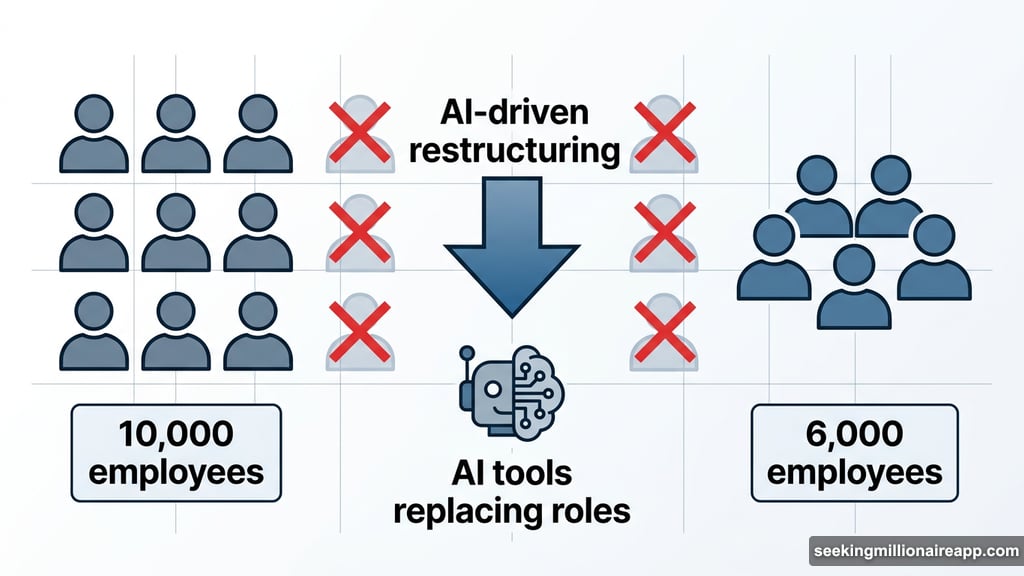
Jack Dorsey made a brutal call this week. Block, the fintech company he leads, is cutting over 4,000 employees — shrinking from more than 10,000 staff to just under 6,000.
That’s nearly half the company gone in a single move. And the reason? AI tools are replacing roles that humans previously filled. This isn’t a one-off story. It’s part of a much bigger wave hitting tech right now.
AI-Driven Workforce Restructuring Hits Block Hard
Dorsey called it “one of the hardest decisions in the history of our company.” But he was clear about one thing — this isn’t a financial emergency.
Block’s gross profit keeps growing. Profitability is improving. So the layoffs aren’t a distress signal. Instead, Dorsey says rapid advances in intelligence tools made it possible to run leaner, flatter teams. In other words, AI didn’t just change how Block works. It changed how many people Block needs.
That distinction matters. Most large-scale layoffs come with bad revenue news attached. This one doesn’t. Block is essentially saying it can do the same work — or more — with far fewer people.
![Block fintech company headquarters with AI workforce restructuring announcement visual, showing staff reduction from 10,000 to 6,000 employees]
The Severance Package Is Generous, But the Scale Still Stings
Affected employees won’t walk away empty-handed. Dorsey’s severance offer includes 20 weeks of salary, plus one extra week for each year of tenure. On top of that, departing staff receive equity vested through the end of May, six months of healthcare coverage, company devices, and a $5,000 transition fund.
International employees will see adjusted terms based on local employment laws, which varies by country.
Still, no severance package softens the shock of 4,000 people losing their jobs at once. Dorsey acknowledged this directly. He explained that he chose a single, immediate cut rather than dragging out reductions across multiple rounds.
His reasoning? Repeated layoffs destroy morale and erode trust faster than one sharp decision does. Whether you agree with that logic or not, it shows Dorsey thought hard about the human side of this restructuring.
Block’s Business Stays Focused on Payments and Bitcoin
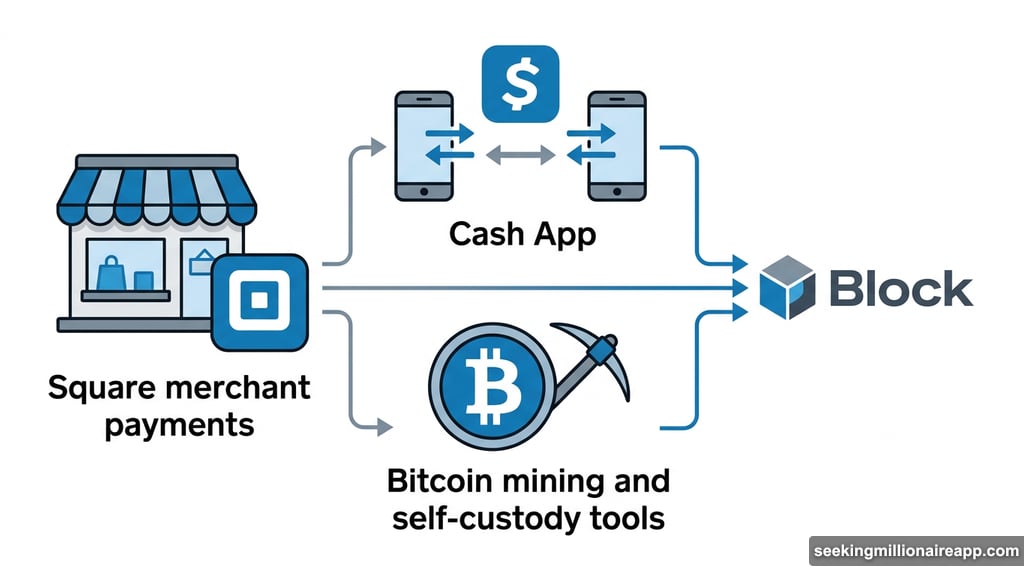
For anyone less familiar with Block, here’s the quick background. The company was previously known as Square and runs two core products. First, it operates merchant payment systems used by small businesses worldwide. Second, it runs Cash App, a peer-to-peer payments service that also lets users buy and sell Bitcoin.
Block holds Bitcoin on its own balance sheet. It also invests actively in Bitcoin infrastructure, including self-custody tools and mining initiatives. Dorsey has made Bitcoin development central to the company’s long-term identity.
None of that changes with this restructuring. Dorsey framed the workforce reduction as an evolution in how Block operates — not a retreat from its core mission.
![Cash App and Block payment platform interface showing Bitcoin integration and peer-to-peer transaction features]
Dorsey’s Track Record and the Bigger Tech Layoff Picture
Dorsey co-founded Twitter back in 2006 and served as CEO twice before stepping down in November 2021. Elon Musk completed his acquisition of Twitter in October 2022 and later rebranded it as X. Dorsey publicly supported that takeover at the time.
Since leaving Twitter, Dorsey has poured his attention into Block and its Bitcoin-aligned vision. This restructuring reflects how seriously he’s taking the shift toward AI-powered operations.
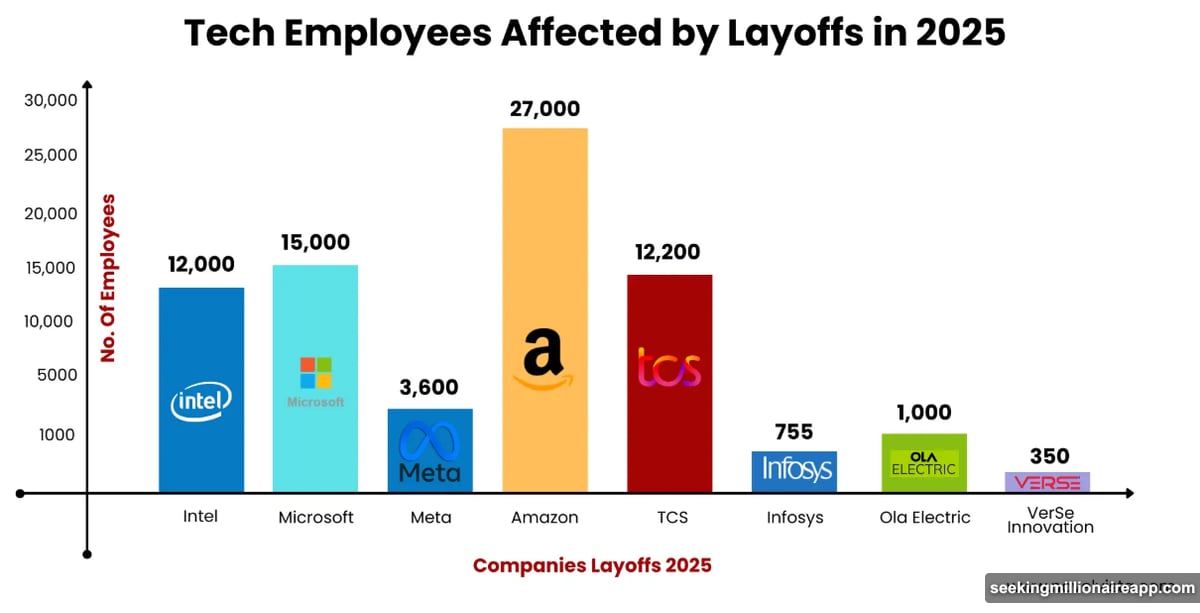
Block isn’t alone here, either. Major tech companies throughout 2025 and into 2026 have made significant workforce cuts as AI tools mature and take on tasks that previously required dedicated teams. What’s striking about Block’s move is the sheer scale — cutting nearly half your staff in one announcement is aggressive even by current standards.
The message from Silicon Valley increasingly reads the same way: smaller teams, smarter tools, faster execution. For workers in tech, that’s a trend worth watching closely.
Dorsey built Block into a business processing billions in payments and holding meaningful Bitcoin reserves. He clearly believes that same business can thrive with half the people it had last week. We’ll find out soon enough whether that bet pays off.