
Cryptocurrency is no longer just a financial conversation. It’s becoming a political one, and UK parties are starting to feel the pressure.
Millions of Brits now hold digital assets. And according to industry leaders speaking with BeInCrypto’s Legal and Regulatory Expert Council, that growing bloc of crypto voters is too big to ignore. Political parties that dismiss them risk losing a motivated, well-funded segment of the electorate.
The question isn’t whether crypto matters to voters. It’s whether politicians will figure that out before the next election.
Financial Freedom Is Fueling Crypto’s Political Rise
Adriana Ennab, UK Director at Stand With Crypto, put it plainly. The crypto voter is getting bigger, and fast.
But this isn’t just about wanting to own Bitcoin. Ennab argues it runs deeper than that. People want legal, transparent control over their own money. They want the freedom to make financial decisions without barriers.
When governments restrict access to crypto markets, they don’t eliminate demand. They push it offshore. And that means losing both tax revenue and a highly engaged group of voters.
“Restricting access to these markets in a developed economy will only push people offshore,” Ennab noted.
Crypto Voters Aren’t Niche Anymore
Dion Seymour, Crypto Tax Technical Director at Andersen and a former HMRC Policy Lead, has watched this shift closely. He points to consistent survey data showing the number of UK crypto holders keeps climbing.
And his message to politicians is simple. This is no longer a fringe issue.

“It’s actually trying to make ministers realize it’s not so niche anymore,” Seymour said.
That framing matters. For years, digital assets were treated as a specialist concern, something for tech enthusiasts and financial risk-takers. Now mainstream voters hold crypto. That changes the political math completely.
The US Election Offers a Warning
Freddy New, Chief Policy Officer at Bitcoin Policy UK, draws a direct line between crypto politics in the US and what could happen in the UK.
During the 2024 US presidential election, Donald Trump ran as a pro-crypto candidate. That stance resonated loudly. Crypto executives and investors collectively contributed over $130 million to the election cycle. Swing districts flipped. And a survey of 800 digital asset investors found that 64% consider a candidate’s stance on cryptocurrency “very important” when deciding how to vote.
New argues the UK is heading down the same path. Most voters remain indifferent to crypto. But those who care, care intensely. They’re engaged, they’re organized, and they’re watching how parties respond.
“So it seems like a no-brainer for you to support the industry as a politician,” New said.
No Government Can Fully Control Crypto
New also makes a point that politicians often miss. Crypto isn’t an industry governments can simply switch off.
People will invest in digital assets regardless of what any single government decides. The technology doesn’t recognize borders. Regulations can shape how it operates domestically, but they can’t eliminate participation.
So the real policy question isn’t “should we allow this?” It’s “how do we create a framework that keeps activity here rather than driving it overseas?”
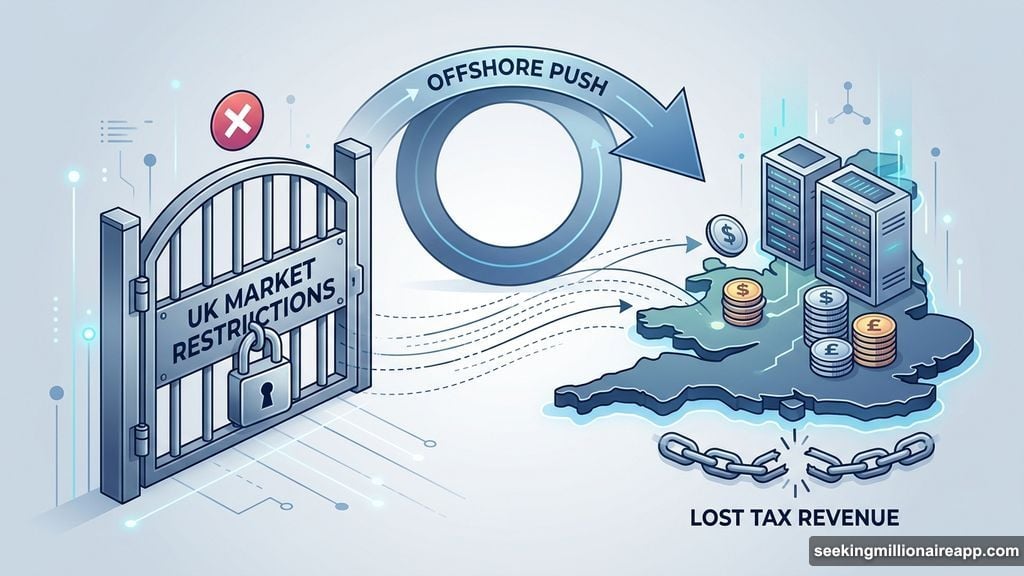
That shift in framing, from restriction to regulation, is exactly what crypto advocates want parties to understand.
Stand With Crypto Is Watching Every Party
Ennab explained that Stand With Crypto doesn’t play favorites. When the organization sends policy communications, they go to all parties equally.
But here’s where it gets interesting politically. If one party responds more enthusiastically, that becomes leverage. Stand With Crypto can then point to that engagement and press every other party to match it. Constituency-level data on crypto ownership becomes a powerful tool for showing politicians exactly how many of their own voters care about this issue.
That kind of targeted, evidence-based advocacy is exactly what moves policy. And it suggests the crypto lobby in the UK is becoming considerably more sophisticated.
Reform or Labour? The Crypto Vote Is Up for Grabs
Right now, no single UK party owns the crypto vote. That’s both a challenge and an opportunity.
The party that moves first with credible, pro-innovation digital asset policy could lock in a bloc of highly motivated voters. And given how competitive UK elections can be at the constituency level, even modest swings among engaged groups matter enormously.
The evidence from the US shows what’s possible when a major candidate takes a clear pro-crypto stance. UK politicians watching those results closely should understand the parallel.
Crypto isn’t asking for special treatment. It’s asking for legal clarity, fair regulation, and the freedom for citizens to manage their own financial lives. That’s a message with broad appeal well beyond the existing holder base.
The party that figures that out first might be surprised how many votes it unlocks.