Polymarket is making its boldest move yet. The popular prediction market platform is launching its own stablecoin and completely overhauling its trading engine — all in one sweeping upgrade.
These changes roll out over the next few weeks. And if everything goes according to plan, the platform will come out faster, cheaper, and ready for serious trading volume.
Polymarket USD Replaces USDC.e
The biggest headline here is the new collateral token. Polymarket is ditching USDC.e and replacing it with something called “Polymarket USD.”
Don’t worry — it’s not some wild new crypto experiment. Polymarket USD is backed 1:1 by USDC, so the value stays stable and predictable. Think of it as a custom-branded dollar token built specifically for the platform.
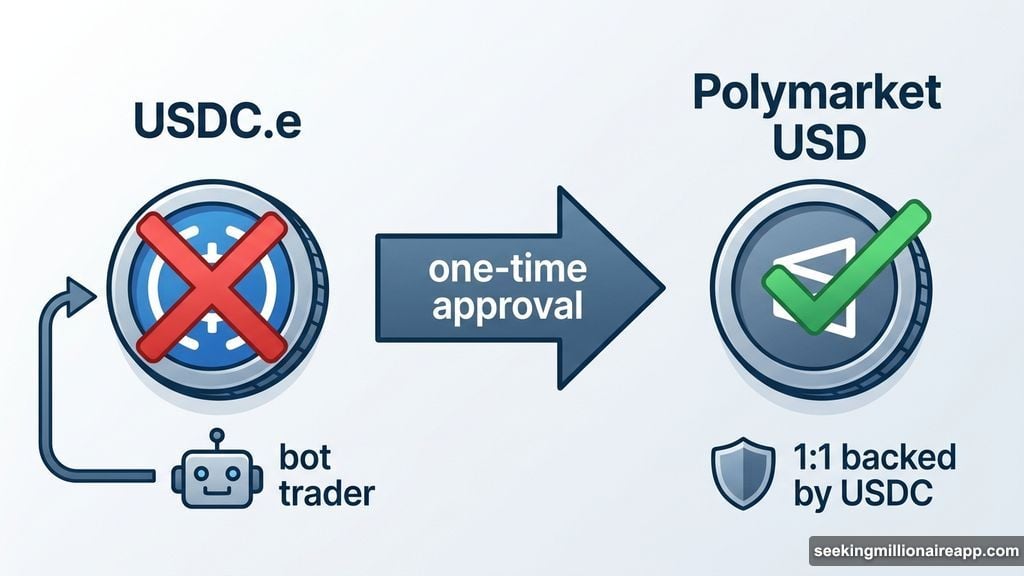
For most users, the transition happens automatically. A one-time approval is all you’ll need. However, if you’re a bot trader or power user managing funds manually, you’ll need to convert your holdings yourself. Polymarket hasn’t left anyone in the dark about this — they’re giving advance notice across the board.
A Whole New Trading Engine
Beyond the stablecoin swap, Polymarket is rebuilding how trades actually work under the hood.
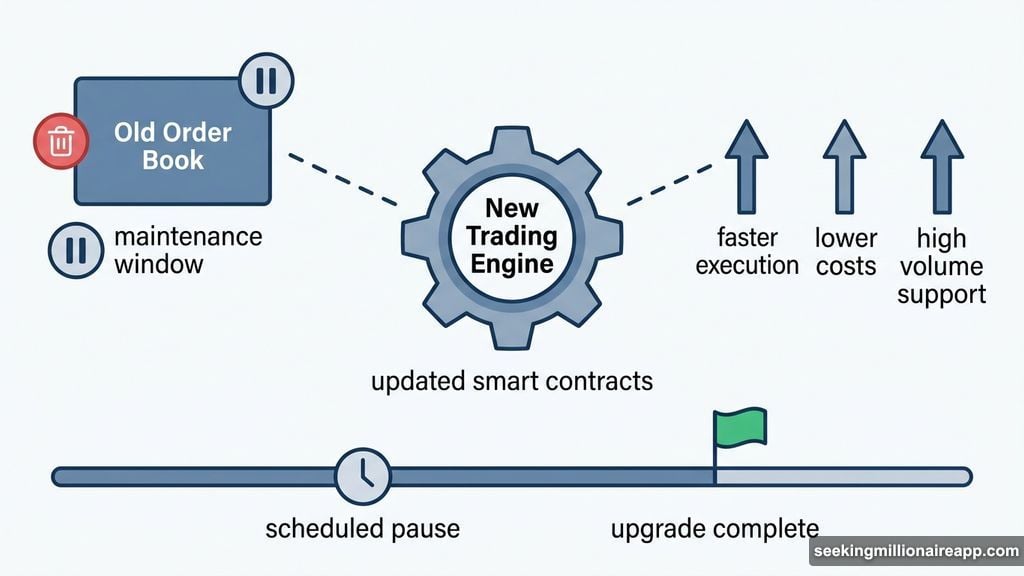
The platform is introducing a new order book system alongside updated smart contracts. Together, these changes target three things: faster execution, lower costs, and better support for complex trading activity. So if you’ve ever felt like your orders were a little sluggish, this upgrade is aimed directly at that frustration.
There is one catch worth noting. All existing order books will be wiped clean during the transition. Trading will also pause briefly during a scheduled maintenance window. Polymarket says they’ll announce the exact timing before it happens, so nobody gets caught off guard mid-trade.
What Changes for Everyday Users
Honestly? Not much on the surface. The interface will handle most of the heavy lifting in the background.
But once the dust settles, you should notice smoother performance and quicker order fills. The experience should feel more like a proper trading exchange and less like a casual betting interface. That’s clearly where Polymarket wants to go.
This upgrade signals something bigger than just a technical refresh. Polymarket is positioning itself as a serious financial platform built for high volume and broad adoption. The move toward exchange-style infrastructure suggests the team expects more traders — and more sophisticated ones — to show up soon.
Whether you’re a casual user checking predictions on the latest news events or an active trader running bots, these changes lay the foundation for a more capable platform. The upgrade isn’t flashy from the outside. But the engineering work behind it is exactly what separates a toy from a real trading system.