Pi Network just dropped a big number. Over 18 million users have now completed identity verification on the platform, and the Pi Core Team is treating it as a major structural advantage.
But behind the milestone sits a messier reality. Millions of users remain stuck in verification limbo, some waiting years with no resolution in sight.
So what does this number actually mean, and should it impress you?
Why Pi Counts Verified Users, Not Wallets
Most crypto networks measure growth by wallet count. Pi takes a different approach. The project argues that verified human identities are the only reliable measure of real users, since wallets can be created by bots or held by the same person dozens of times.
That argument has some merit. A network of 18 million confirmed humans is genuinely different from one with 18 million anonymous wallets.
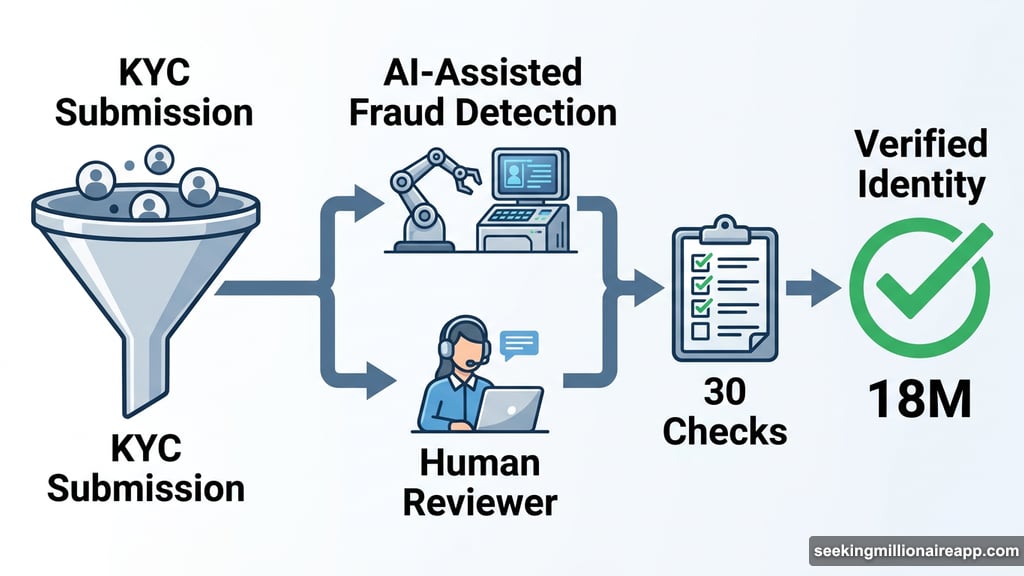
Plus, reaching that number wasn’t simple. Pi’s in-app KYC (Know Your Customer) system combines human reviewers with AI-assisted fraud detection. Over 1 million validators worked through a combined 526 million individual verification tasks to confirm those identities. Each submission cleared roughly 30 separate checks before approval.
To motivate validators, Pi recently completed its first reward distribution. Participants earned about 0.05 PI per task, which works out to approximately 22 times the standard mining rate. The network paid out 26.5 million PI in total.
KYC Backlogs Are Frustrating Loyal Users
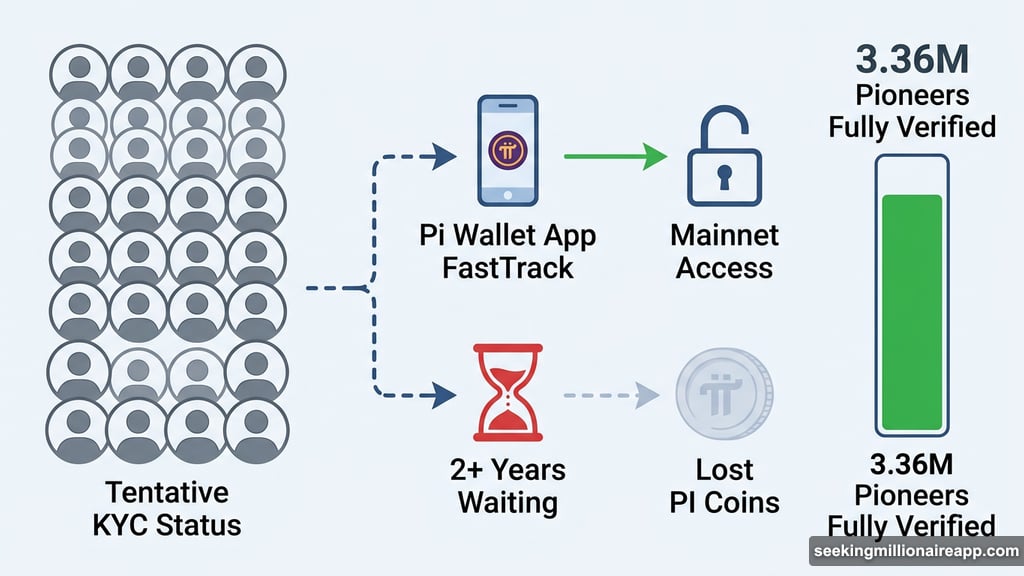
Here’s where the milestone gets complicated. Around 44 million users have held a “tentative” KYC status at various points. Tentative status means their verification needs extra review before they can access the Mainnet.
For many of these users, the wait has been brutal. Some report sitting in tentative status for over two years without a final decision. Others lost accumulated coins entirely when KYC deadlines passed before their applications were processed.
“At this rate, it’s going to be 10 years before some people see their Pi,” one frustrated Pioneer wrote online.
That kind of frustration matters. These aren’t casual users who signed up and forgot about the app. They’re the most committed members of the network, and they’re the ones most affected by slow processing times.
Pi’s FastTrack Option Helps, But Gaps Remain
Pi has tried to address the backlog. The network introduced a FastTrack option alongside an automated review system that fully verified an additional 3.36 million Pioneers.
According to Pi’s team, eligible users see the FastTrack option directly inside the Pi Wallet app. Once they complete verification through that route, they gain immediate access to the Mainnet wallet and its features.
So far, over 16 million Mainnet migrations are complete. But that figure still trails the 18 million verified user count, which means a meaningful gap exists between users who passed KYC and users who have fully moved over.
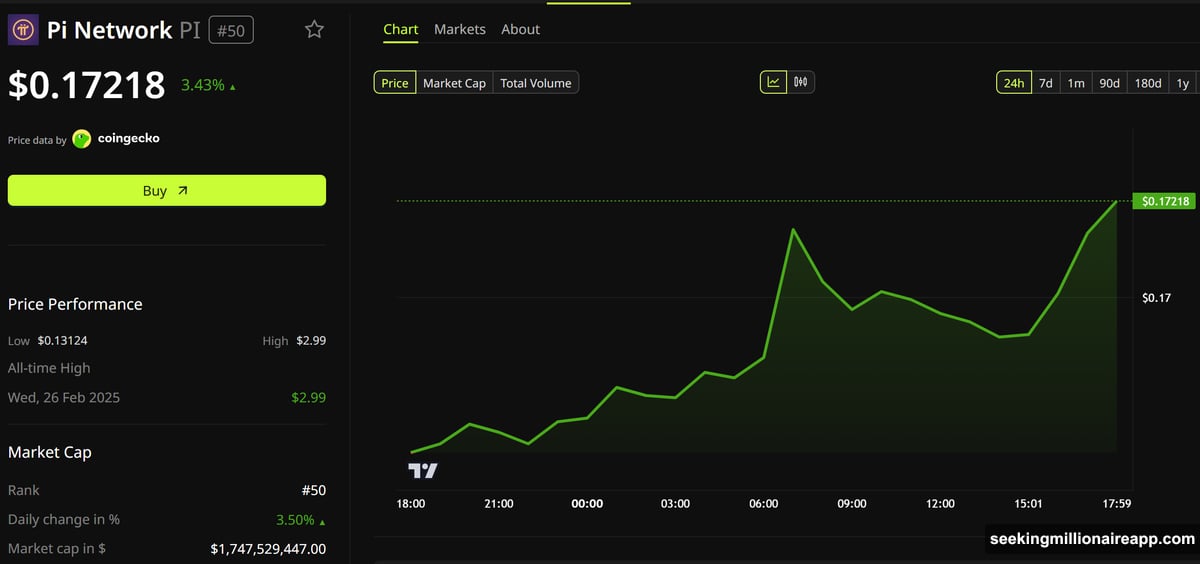
Meanwhile, PI traded near $0.17 at time of writing, up 3.43% on the day, with a market cap sitting around $1.75 billion according to CoinGecko data.
The Real Question Facing Pi Network
The 18 million verified users figure is genuinely impressive for a project that built its own identity verification infrastructure from scratch. Most crypto projects skip that entirely and deal with the bot problems later.
But a verification system that leaves tens of millions of users in uncertain status for years isn’t a solved problem. It’s a bottleneck that could chip away at trust if Pi doesn’t clear it fast.
The identity-first approach could become a real competitive advantage. Or it could become the thing that frustrated Pi’s most loyal early adopters right when the project needs them most. How quickly Pi clears that backlog will likely determine which story wins out.