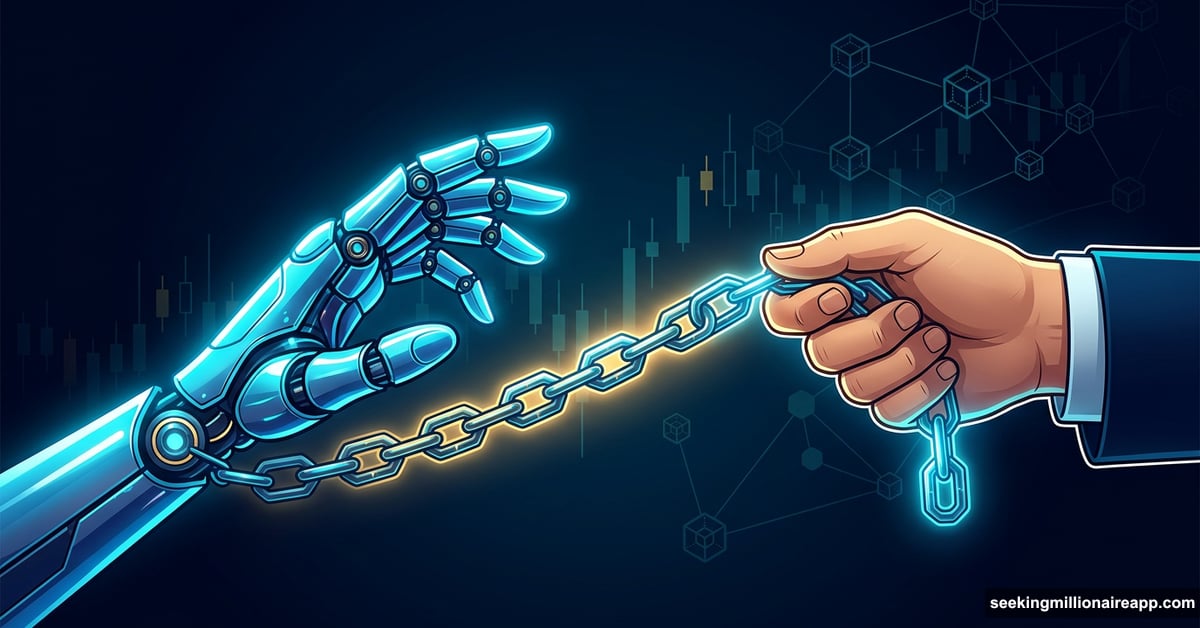
AI agents are everywhere in DeFi right now. They execute trades, manage positions, and bridge assets across chains without anyone lifting a finger. But here’s the thing nobody expected: the builders making these agents say the real competition isn’t about making them smarter.
It’s about making them smaller.
That’s the tension shaping crypto’s agent economy in 2026. The most trusted agents, according to two infrastructure experts, will be the ones with the least freedom to act on their own.
Full Autonomy Creates a Liability Problem
The original design pattern seemed logical enough. Give the agent a wallet, hand it broad permissions, and let it optimize away.
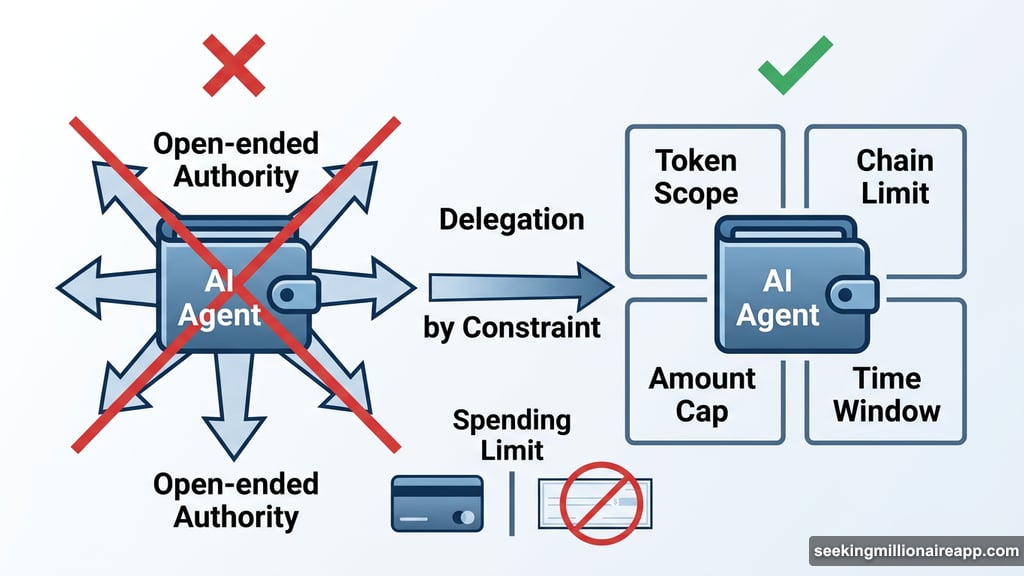
MinChi Park, COO and co-founder of CoinFello, says that approach has a serious flaw. “A capable agent with open-ended authority isn’t a feature; it’s a liability waiting for an incident,” Park told BeInCrypto.
His alternative? Delegation by constraint.
Every action an agent performs gets scoped to specific tokens, chains, amounts, and time windows. Users approve narrow permissions upfront. And every single grant can be revoked instantly. Park compared it to a credit card spending limit versus handing someone a blank check. The agent doesn’t interpret freely. It executes within boundaries the user defined.
Scoped Permissions Only Solve Half the Problem
Tightening permissions addresses one risk. But Ming Wu, CTO at 0G Labs, points out that another risk stays wide open underneath.
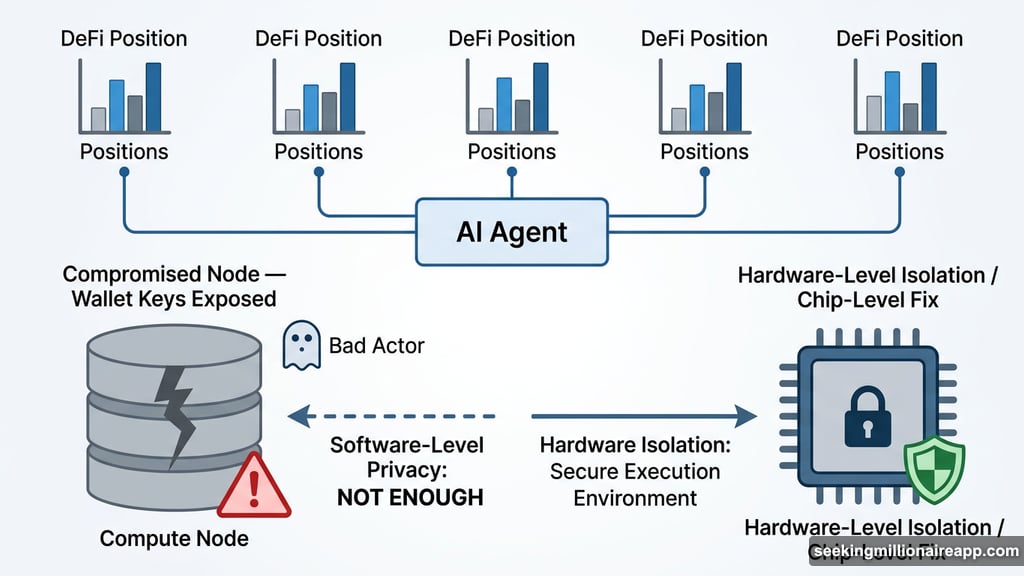
Even a perfectly constrained agent is exposed if the compute layer beneath it leaks data. Most blockchain infrastructure today was built assuming a human user. AI agents need something different: persistent identity, long-running memory, and execution environments that no operator can access or tamper with.
Without hardware-level isolation, Wu argues, a compromised node can expose wallet keys or strategy logic to bad actors. He pointed to a recent surge in misconfigured agent deployments that created vulnerabilities across hundreds of instances at once.
Software-level privacy guarantees, he said, simply don’t cut it. The fix needs to happen at the chip level, not the code level.
What Users Actually Want Tells the Real Story
The clearest proof of this shift comes from user behavior, not theory.
Park said protection-style automation already outpaces demand for autonomous trading bots. Users want agents that monitor positions and respond to danger, not agents that freely make independent financial calls on their behalf.
The October 2025 tariff shock makes this concrete. Over $19 billion in DeFi positions got liquidated within hours while exchange interfaces froze under the load. Users who had pre-authorized narrow agent permissions could respond in time. Everyone else watched their positions unwind with nothing they could do about it.
That event changed how a lot of people think about agent design.
DeFi Agent Identity Standards Are Coming Next
Both Park and Wu expect agent-to-agent payment rails and onchain identity standards to define the next 12 to 24 months of development. These infrastructure pieces will matter enormously as more agents interact with each other autonomously.
But the direction is already obvious. The agents gaining real traction aren’t the ones promising maximum autonomy. They’re the ones whose constraints make them trustworthy enough to actually use.
There’s something almost counterintuitive about that. In most tech contexts, more capability means more value. But in crypto, where a single misconfigured permission can drain a wallet in seconds, limited authority is the feature users are paying for.
The agents that win this market won’t be the boldest. They’ll be the most careful.